Sustainable Seafood Guide
Explore which fish are in season, discover responsible options, and support local fisheries by making informed choices
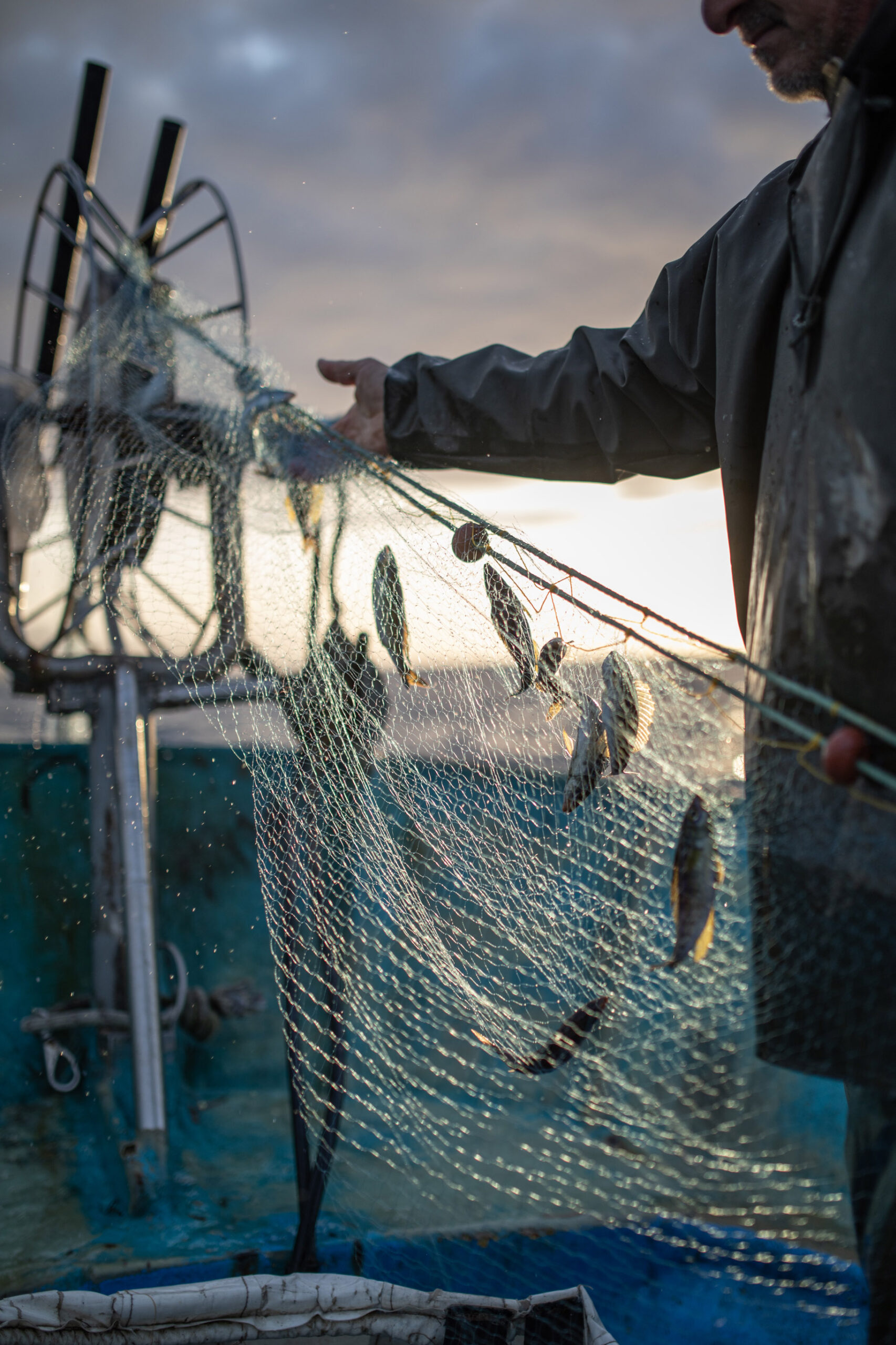
About the guide
SeafoodGuideCY is a science-based resource designed to support informed seafood choices by providing information on fish species commonly found in Cyprus, including their seasonality, origin, fishing methods, minimum legal sizes, conservation status, and potential health considerations. By using the guide, consumers can discover new local species, identify high-quality seasonal seafood, avoid illegally caught or undersized fish, and better understand the environmental and social impacts of their purchases. Ultimately, it allows consumers to buy seafood with greater confidence, knowing where their fish comes from and how their choices affect both their health and the future of our seas.
What to have in mind
- This guide is not intended to be a complete catalogue of all marine species found in Cyprus.
- It provides practical, science-based information on selected species encountered in local waters and markets.
- Some species have not been included because they are not edible, are rarely locally observed or consumed, or because there is currently insufficient scientific or fisheries data available to support reliable recommendations.
Why Choose Responsibly?
Responsible seafood consumption can help reduce pressure on overexploited fish populations, protect marine ecosystems and biodiversity, and support healthier seas for future generations. It encourages fishing practices with lower environmental impacts and promotes stewardship of marine resources.
Supporting locally caught seafood, especially from coastal small-scale fisheries, helps sustain traditional knowledge, cultural heritage, local livelihoods, and coastal microeconomies in Cyprus. In some cases, consuming abundant non-indigenous or invasive species may also help reduce fishing pressure on certain native fish stocks while supporting local fishers and diversified markets. Local products may also involve shorter food transport distances, reducing environmental impacts associated with transportation.
Last but not least, taking human health into consideration, pollution, contaminants, and the bioaccumulation of toxic substances can vary between species and environments. Making informed choices can therefore benefit both consumers and the marine environment.
Why Cyprus is unique
Cyprus occupies a unique position at the crossroads of the Mediterranean Sea and the Red Sea. It maintains a relatively small fishing fleet and limited bottom-trawling activity compared to many other Mediterranean countries. As a result, many marine habitats and fishing grounds remain in relatively good condition. This places Cyprus in a unique position to develop a more sustainable seafood sector before many of the severe declines seen elsewhere become irreversible.
By making informed seafood choices, consumers can play an important role in this transition. Supporting abundant and sustainably harvested species, respecting seasonal and size recommendations, and choosing locally caught seafood and invasive species can help protect marine ecosystems, strengthen coastal communities, and contribute to a more resilient future for Cyprus’s seas.
Recorded non-indigenous species in Cypriot waters
%
of catch is composed of non-indigenous species

This website is part of the SPOTlight on Sustainable Fisheries project, funded by the European Union under the Aid Programme for the Turkish Cypriot community. Its contents are the sole responsibility of the Society for the Protection of Turtles (SPOT) and Enalia Physis Environmental Research Centre, and do not necessarily reflect the views of the European Union.